- Home
- Devraha Baba
Devraha Baba
Our Inspiration
Bhagat Singh[b] (27 September 1907[2][a] – 23 March 1931) was an Indian anti-colonial revolutionary[3] who participated in the mistaken murder of a junior British police officer in December 1928 in what was intended to be retaliation for the death of an Indian nationalist.[4][5] He later took part in a largely symbolic bombing of the Central Legislative Assembly in Delhi and a hunger strike in jail, which—on the back of sympathetic coverage in Indian-owned newspapers—turned him into a household name in the Punjab region, and, after his execution at age 23, a martyr and folk hero in Northern India.[6] Borrowing ideas from Bolshevism and anarchism,[7] the charismatic Bhagat Singh[8] electrified a growing militancy in India in the 1930s and prompted urgent introspection within the Indian National Congress's nonviolent, and eventually successful, campaign for India's independence.[9]
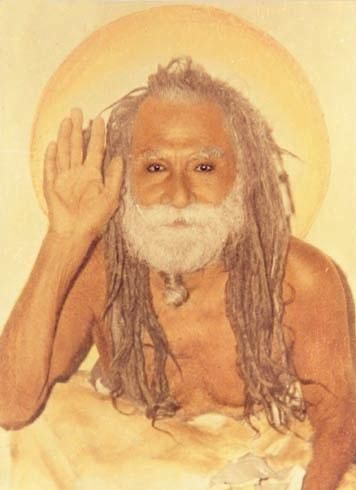
Little is known about the early life of Devraha Baba, beyond that in the first half of the 20th century he visited Mail, a town 20 km south west of Salempur, Uttar Pradesh. Here he started living atop a machan, a high platform made of wooden logs, situated 3 km from the town on the banks of Sarayu river. The place was near chilma Bazar Deoria District, thus local people started calling him Devraha Baba, with Baba being an honorific for saints or old men. Thereafter he shifted to Vrindavan, where again he lived atop a machan on the banks of Yamuna river for the rest of his years.[2][3] He visited many places in India and was known in different names in different states. At Purneswari Maa Tara Tarini shakti Peetha in Ganjam (Odisha), locals addressed him by the name of Chamatkari Baba. Even today, the priests of Maa Tara Tarini Shakti Peetha remember his miracles during his visit to Maa's Peetha. Once Devraha Baba also attested to it in an Interview with All India Radio.